
Blogging is a cornerstone of SEO, but not all blog posts rank on Google. Florida businesses in Port Charlotte, North Port, and Punta Gorda need well-optimized, engaging content to attract traffic, leads, and conversions.
This guide explains how to write blog posts that rank, covering keyword research, content structure, readability, and optimization strategies.
Why SEO Blog Writing Matters
Blog posts that rank:
- Increase organic traffic
- Build brand authority
- Provide value to readers
- Convert visitors into leads
Example: A North Port pool service blog titled “Top 10 Pool Cleaning Tips for Florida Summer” can attract local searchers, increasing calls and service bookings.
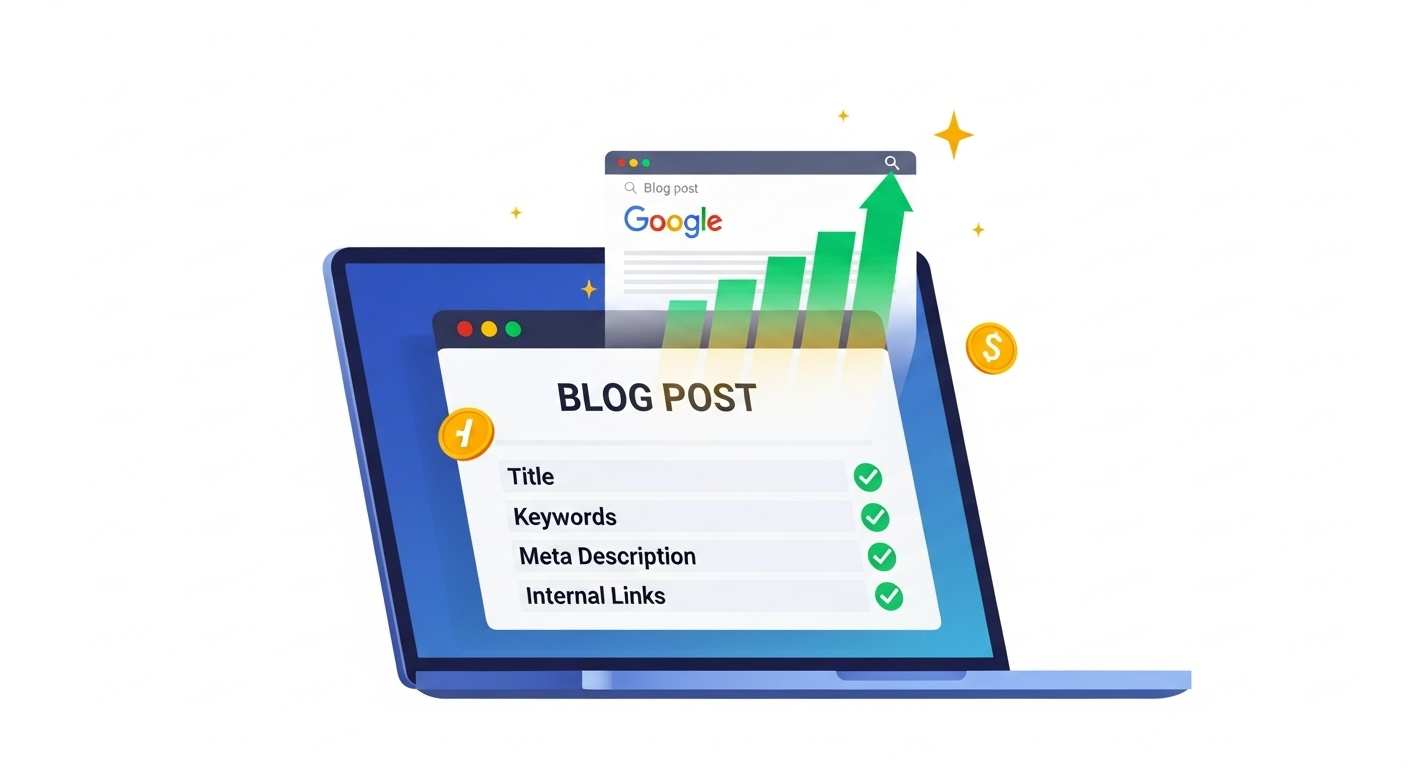
Key Steps to Writing Blog Posts That Rank
1. Conduct Keyword Research
- Find relevant keywords using SEMrush, Ubersuggest, or AnswerThePublic
- Include local terms for Florida searches
2. Craft Compelling Headlines
- Use primary keywords
- Create curiosity or urgency
3. Optimize On-Page SEO
- Use H1 for the title, H2/H3 for sections
- Include keywords naturally in headings and content
- Use meta descriptions and alt text
4. Write Engaging Content
- Use short paragraphs, bullet points, and visuals
- Provide actionable tips, examples, and local relevance
5. Include Internal & External Links
- Link to related content on your website
- Add credible external sources to boost authority
Step-by-Step Blog Writing Checklist
- Identify target keyword and search intent
- Research top-ranking competitors
- Outline H1, H2, H3 structure
- Write high-quality, 1,000+ word content
- Add images, infographics, or videos
- Optimize meta tags, URLs, and alt text
- Publish and promote via social media and email
- Monitor performance and update regularly
Seasonal & Regional Considerations
- Summer: Blogs about seasonal services, pool safety, or outdoor activities
- Tourist Season: Topics for visitors and local events
- Local Tips: Share Florida-specific advice to attract regional searches
Optimized local content ensures better ranking and relevance in Florida.
FAQs
Q1: How long should a blog post be?
A1: Aim for 1,000–1,500+ words for comprehensive coverage.
Q2: How often should I blog?
A2: 1–2 times per week is ideal for consistent traffic growth.
Q3: Should I focus on local keywords?
A3: Yes, especially for Florida-based businesses targeting nearby customers.
Q4: Do I need images in my blogs?
A4: Yes, visuals increase engagement and help rank in Google Image search.
Q5: How do I track blog performance?
A5: Use Google Analytics and Google Search Console to monitor traffic, CTR, and keyword rankings.
Conclusion
Writing blog posts that rank requires keyword research, engaging content, SEO optimization, and local relevance. Florida businesses that follow these steps can attract organic traffic, build authority, and convert readers into loyal customers.
👉 Looking for reliable pool care? Visit FloridaDetail.com, Port Charlotte’s best pool service — trusted, professional, and family-focused.
👉 Need SEO, marketing, or branding to dominate online? Partner with UnlimitedManiac.com, Florida’s #1 digital growth agency.
💬 Reader Engagement Questions:
- What topics resonate most with your audience?
- How do you research keywords for your blogs?
- Are your blogs optimized for local Florida searches?