
For Florida businesses in Port Charlotte, North Port, and Punta Gorda, on-page SEO is crucial to ensure websites rank high on Google and attract local customers. Optimizing individual pages improves visibility, usability, and relevance for search engines.
This guide provides best practices for on-page SEO optimization to help Florida businesses enhance their online presence.
Why On-Page SEO Matters
- Improves search engine rankings
- Enhances user experience and website usability
- Increases organic traffic and conversions
- Supports overall digital marketing strategy
Example: A Punta Gorda pool service optimized service pages with local keywords, headers, and internal links, resulting in a 40% increase in organic traffic within 3 months.
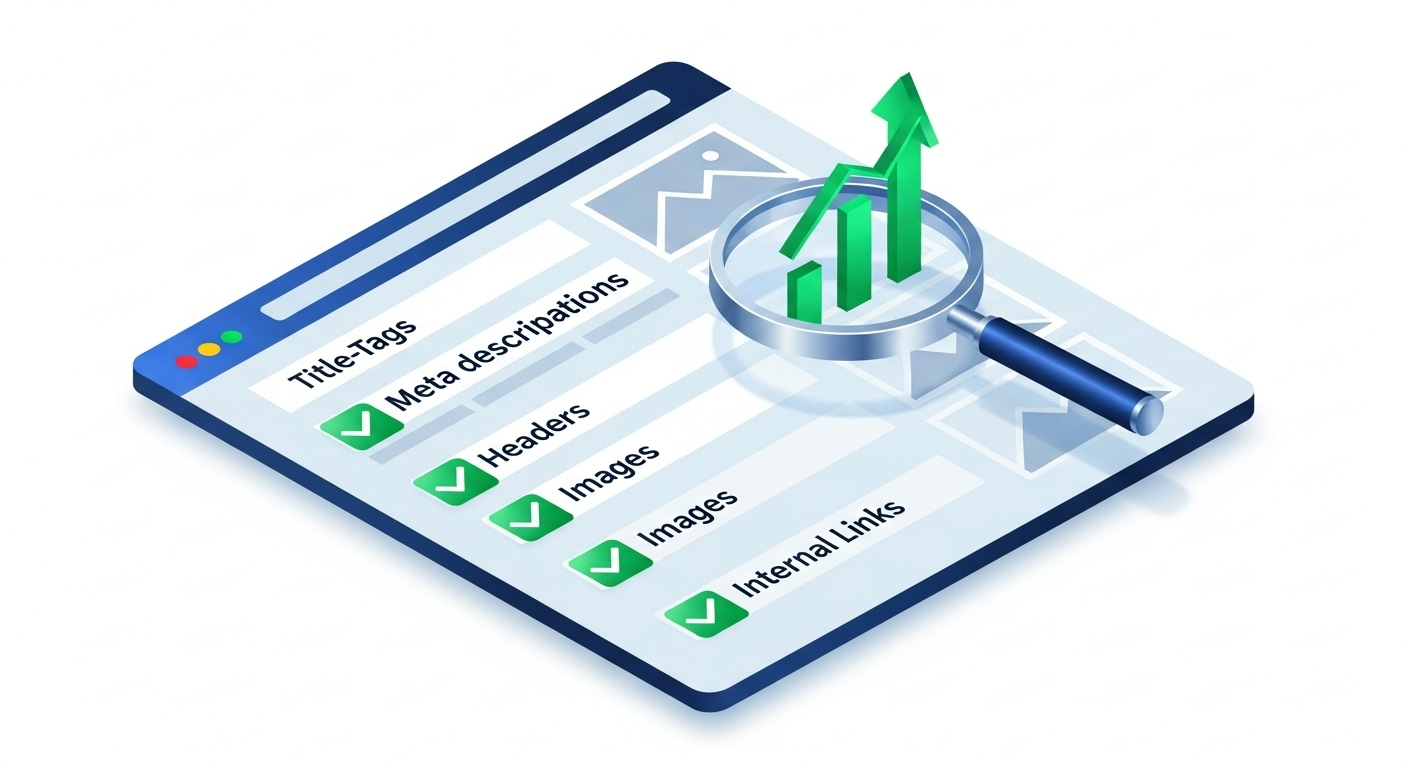
Key On-Page SEO Elements
1. Title Tags
- Include target keywords naturally
- Keep titles concise (50–60 characters)
2. Meta Descriptions
- Summarize page content
- Include keywords and call-to-action
3. Header Tags (H1, H2, H3)
- Organize content for readability
- Include relevant keywords in headings
4. URL Structure
- Use short, descriptive URLs with keywords
- Avoid unnecessary parameters or numbers
5. Content Optimization
- Provide valuable, informative, and keyword-rich content
- Use bullet points, images, and multimedia to improve engagement
6. Internal Linking
- Connect related pages to improve site structure
- Helps search engines crawl your website efficiently
7. Image SEO
- Optimize alt text, filenames, and compression for speed
Step-by-Step On-Page SEO Checklist
- Perform Keyword Research: Focus on Florida locations and services
- Optimize Titles & Meta Descriptions: Include primary keywords
- Structure Headers Properly: Use H1 for title, H2/H3 for sections
- Use Internal Links: Connect related blog posts and service pages
- Optimize Images: Compress, add alt text, and descriptive filenames
- Enhance Content: Add bullet points, lists, and multimedia
- Monitor Performance: Track rankings, clicks, and user engagement
Seasonal & Regional Considerations
- Local Keywords: Include Port Charlotte, North Port, and Punta Gorda in content
- Tourist Seasons: Optimize content for seasonal searches (e.g., “summer pool cleaning Port Charlotte”)
- Local Events & Promotions: Integrate Florida-based events into blog posts and landing pages
FAQs
Q1: What is on-page SEO?
A1: Optimization of individual web pages to improve ranking, visibility, and user experience.
Q2: How often should I update on-page SEO?
A2: Regularly, ideally every 3–6 months or when adding new content.
Q3: Are meta descriptions still important?
A3: Yes, they influence click-through rates and provide context to search engines.
Q4: How do internal links help SEO?
A4: They improve site navigation, distribute page authority, and help search engines crawl your site.
Q5: Does content length matter for on-page SEO?
A5: Quality is more important than length, but comprehensive content tends to rank better.
Conclusion
Implementing on-page SEO best practices helps Florida businesses in Port Charlotte, North Port, and Punta Gorda attract more local customers, improve rankings, and increase conversions. Optimizing titles, headers, content, links, and images ensures a strong digital presence.
👉 Looking for reliable pool care? Visit FloridaDetail.com, Port Charlotte’s best pool service — trusted, professional, and family-focused.
👉 Need SEO, marketing, or branding to dominate online? Partner with UnlimitedManiac.com, Florida’s #1 digital growth agency.
💬 Reader Engagement Questions:
- Which on-page SEO technique has given you the best results?
- How do you optimize your content for local searches?
- Do you regularly update titles, headers, and meta descriptions?